Plate Tectonics & Volcanoes
Chile sits on one of the most active plate boundaries on Earth — here's how that shapes everything from the country's mountains to its economy.
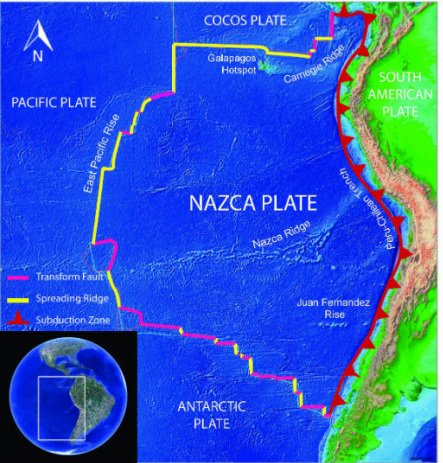
Plate Boundaries & Natural Disasters
Chile sits directly on a convergent plate boundary, where the oceanic Nazca Plate subducts beneath the continental South American Plate along the Peru-Chile Trench — one of the fastest subduction zones on Earth (U.S. Geological Survey, 2015).
This makes Chile part of the Pacific Ring of Fire, and the country regularly experiences earthquakes, volcanic eruptions, and tsunamis as a direct result.
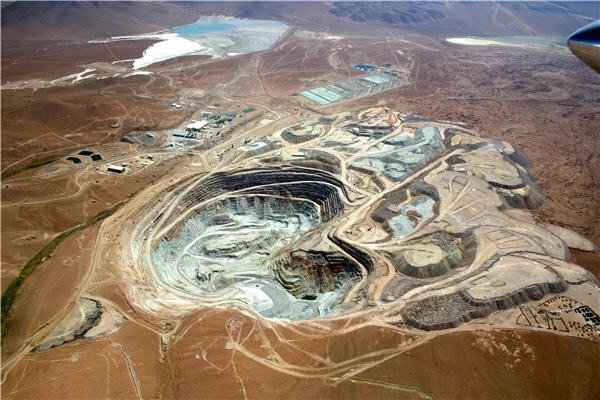
Copper, Lithium & the Economy
Chile is the world's largest copper producer and holds the largest known lithium reserves on Earth, extracted from brine in the Atacama salt flats. Together, mining makes up more than half of the country's export revenue (International Trade Administration, 2019; Britannica, n.d.).
Most of these exports go to China, with the U.S., Japan, and South Korea also major buyers. The industry drives huge investment but also strains water resources in an already arid region.
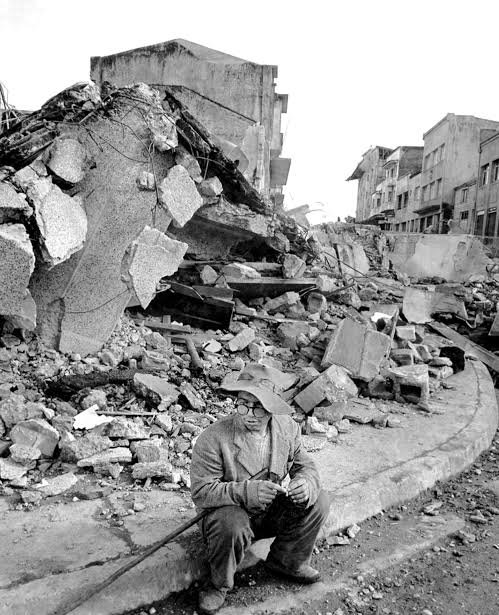
Living With Megaquakes
In 1960, Chile experienced the strongest earthquake ever recorded — a magnitude 9.5 near Valdivia that killed roughly 1,600–2,000 people and left 2 million homeless (Britannica, 2026). The 2010 Maule earthquake (magnitude 8.8) struck central Chile decades later.
Chile now has some of the strictest seismic building codes in the world, along with a national tsunami warning system that can alert coastal areas within minutes (UNESCO, 2023).
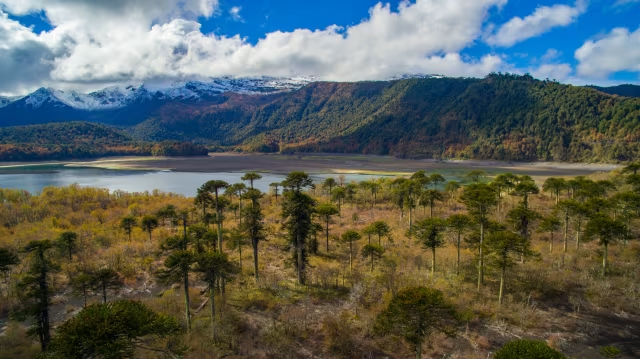
The Andes
The Andes are the longest continental mountain range on Earth, formed by the same plate collision responsible for Chile's earthquakes. Ojos del Salado, on the Chile-Argentina border, is Chile's highest peak and the highest active volcano in the world (Britannica, n.d.).
The range creates a rain shadow that helps form the Atacama Desert, while also supplying most of central Chile's rivers and historically serving as both a trade route and a natural border with Argentina.
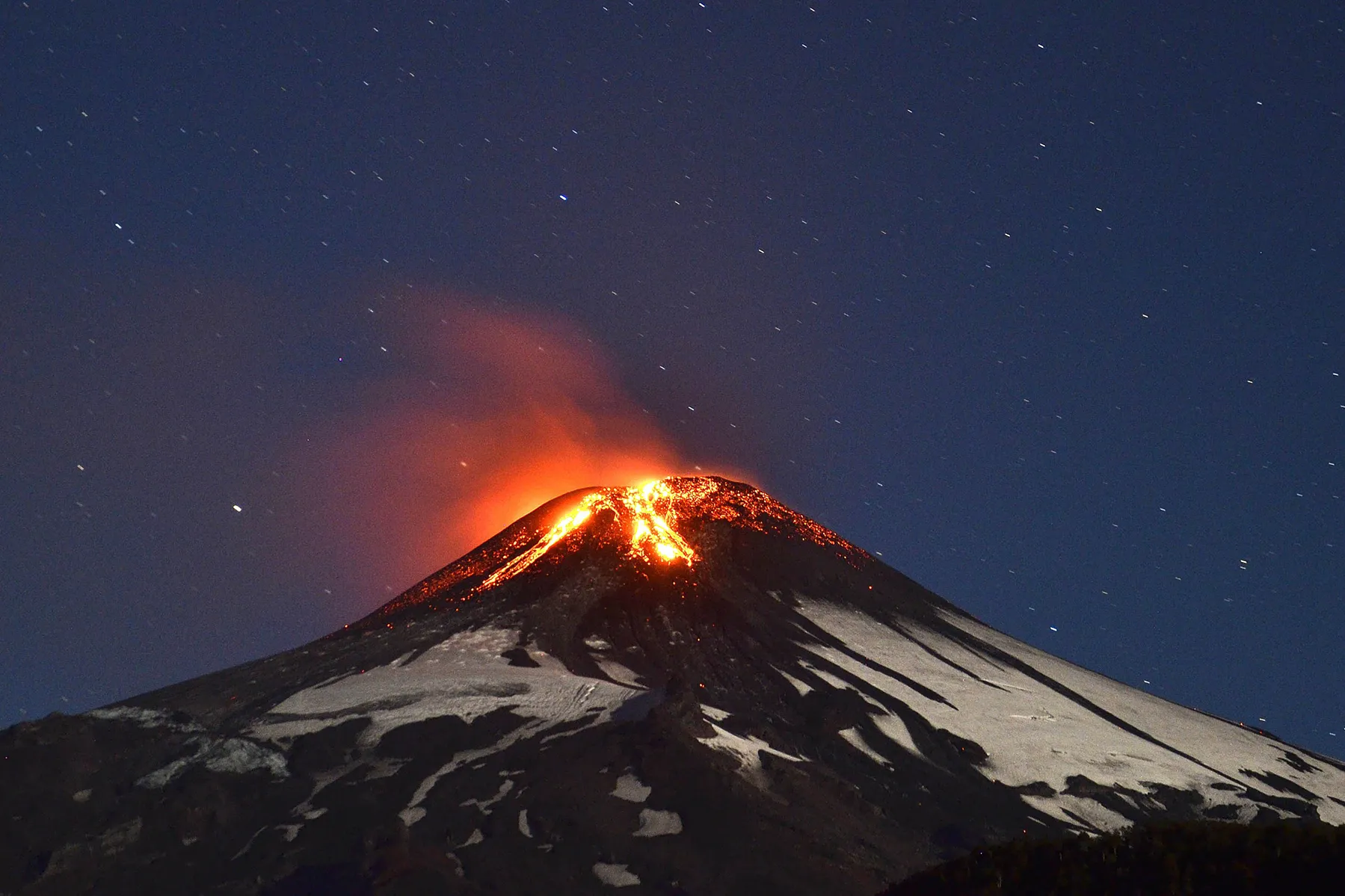
Villarrica & Calbuco
Villarrica and Calbuco are both stratovolcanoes (composite volcanoes), built up over time from alternating layers of lava and ash. Villarrica is one of South America's most active volcanoes, known for its rare permanent lava lake, with a significant eruption as recently as 2015 (National Geographic Society, 2015).
Calbuco sat dormant for over 50 years before erupting without warning that same year (NASA Earthdata, 2025). Volcanic soil enriches central Chile's farmland and drives major tourism, but these same volcanoes remain a real and ongoing hazard for nearby towns.
Chile's Strongest Recorded Earthquakes
Moment magnitude comparison of Chile's three most significant modern earthquakes